Perception under partial observability
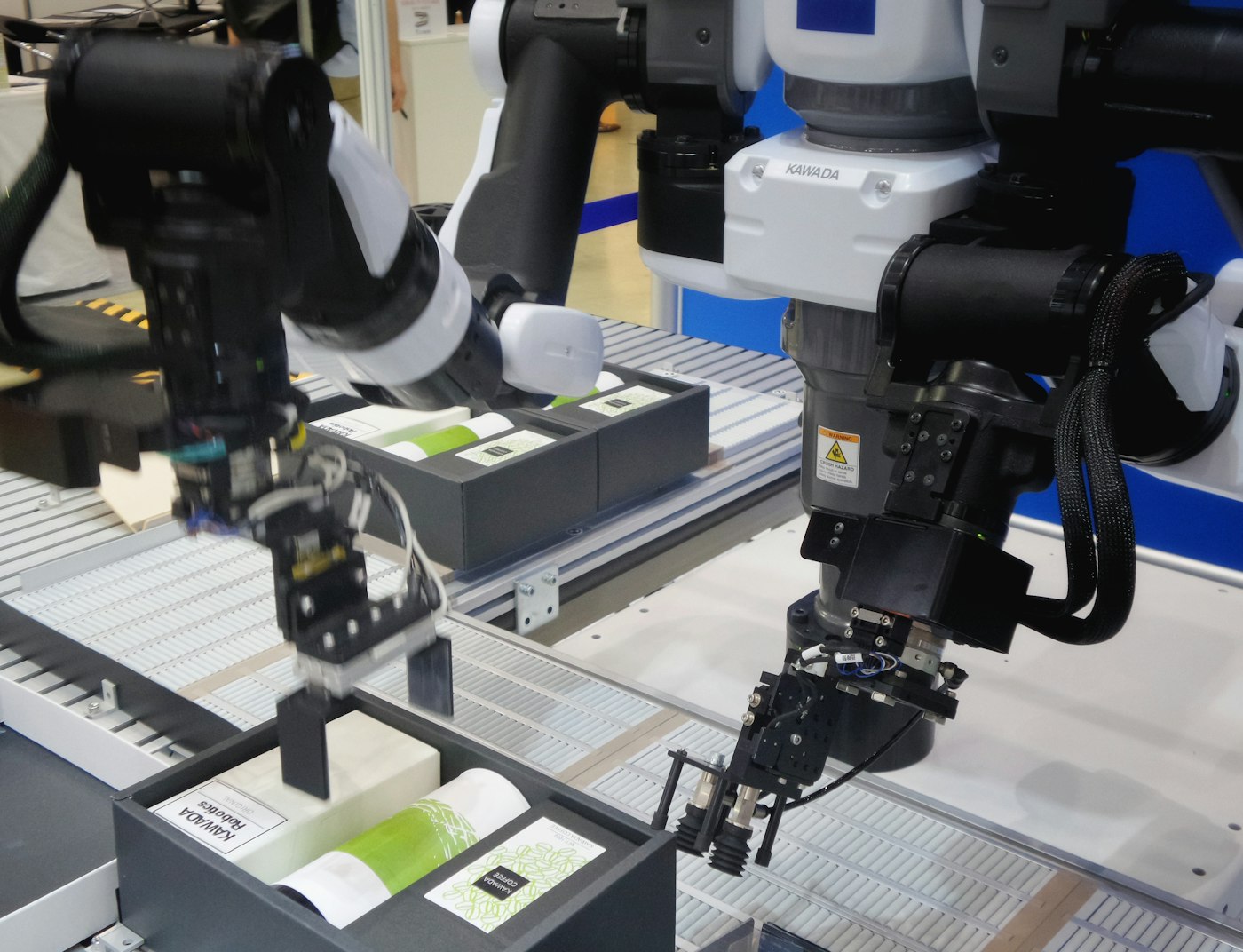
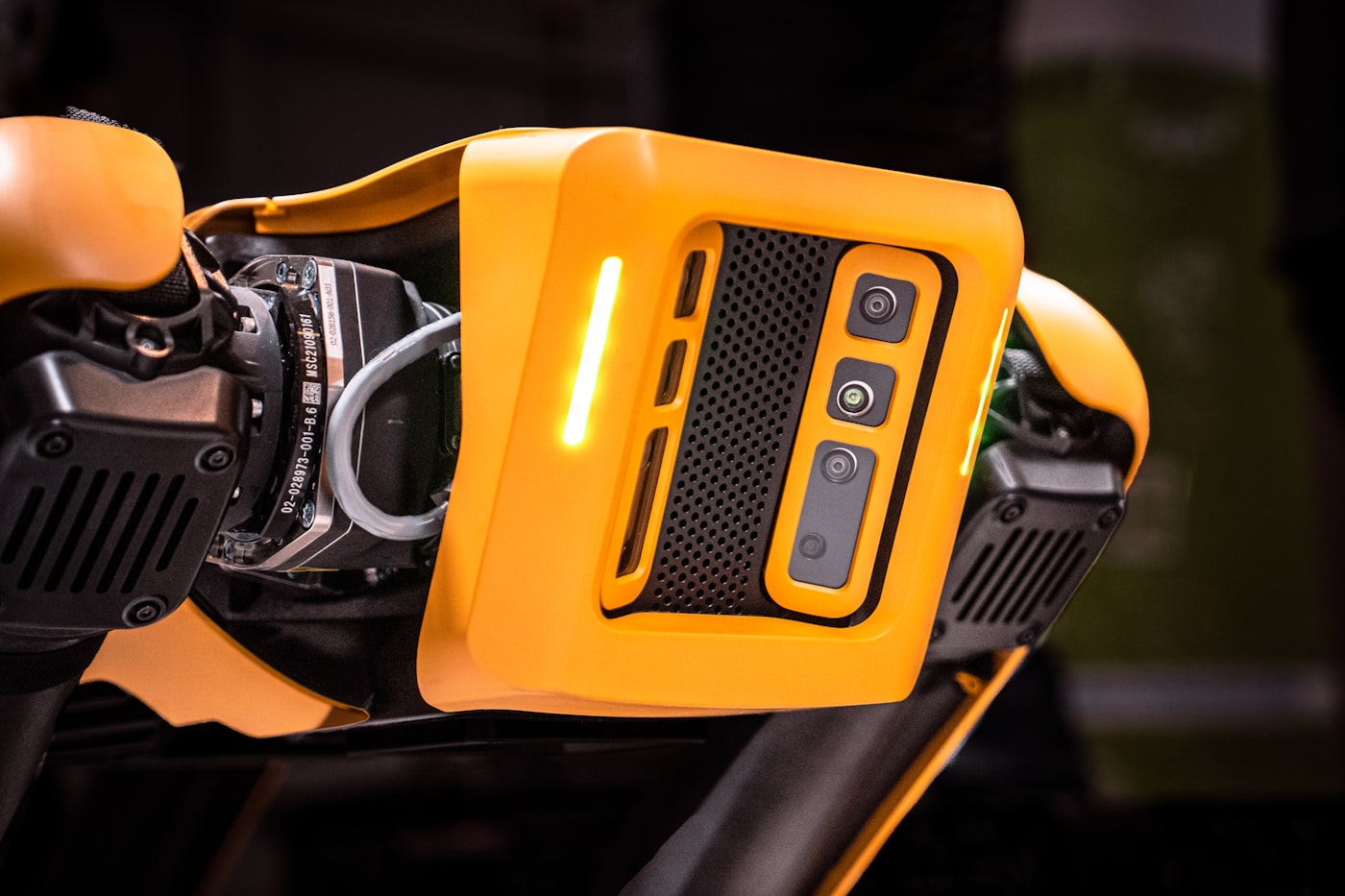
Developing perception systems that integrate RGB-D, audio, motion, tactile, and proprioceptive signals to enhance reliability in dynamic, partially observable environments.
Robgence researches multimodal perception, embodied learning, sim-to-real transfer, and vision-language-action (VLA) models — with publications at ICRA, CoRL, RSS, and NeurIPS. Every research initiative is grounded in data collected from real-world operational environments through our global network of 20,000+ trained operators across 50+ cities.
Developing perception systems that integrate RGB-D, audio, motion, tactile, and proprioceptive signals to enhance reliability in dynamic, partially observable environments.
Exploring imitation learning, teleoperation, and human demonstration datasets for training embodied AI systems to perform complex tasks in the real world.
Building pipelines which utilize synthetic data, digital twins, and high-fidelity real-world datasets to reduce the reality gap.
Investigating large-scale egocentric and multimodal datasets that power VLA models, and next-generation robotics foundation models.
Robgence began by solving one of the most fundamental challenges in Physical AI: access to high-quality real-world data. However, data collection is only the beginning.
Every environment we capture, every interaction we record, and every dataset we deliver contributes to a larger mission. Our research extends beyond data infrastructure into the core challenges that will define the next generation of embodied intelligence — humanoid robotics, world models, manipulation learning, and autonomous decision-making.
By combining large-scale data operations with applied robotics research, we’re helping build the foundations for systems that can understand, adapt to, and operate within the physical world with greater capability and autonomy.
The Frontiers We’re Building Toward
Robgence research has been presented at ICRA, CoRL, RSS, and NeurIPS — covering tactile-conditioned manipulation, data-efficient imitation learning, and real-world demonstration collection at scale.
Integrating tactile feedback with visual observation improves grasp success rates on previously unseen objects compared to vision-only baselines.
Curriculum-based distribution sampling during dataset construction reduces out-of-distribution failure modes and improves policy generalization across environment types.
Real-world teleoperation data collected in active production environments outperforms controlled lab demonstrations for contact-rich assembly tasks.
A staged synthetic-to-real curriculum halves the volume of real-world demonstrations needed to achieve robust multi-finger grasping on novel objects.
Common questions about Robgence's research focus, publications, and collaboration opportunities.
Get in touchRobgence research focuses on four core areas of Physical AI: multimodal perception under partial observability, embodied learning from human demonstrations and teleoperation, sim-to-real transfer for closing the reality gap, and vision-language-action (VLA) models for robotics foundation models. All research is grounded in real-world data collected through our global operator network.
Robgence has published at leading robotics and machine learning venues including ICRA (International Conference on Robotics and Automation), CoRL (Conference on Robot Learning), RSS (Robotics: Science and Systems), and NeurIPS workshops.
Robgence collects all training data in the environments where robots are actually deployed — manufacturing floors, warehouses, homes, and healthcare facilities — rather than controlled lab settings. This real-world grounding reduces the domain gap between training conditions and deployment conditions, improving policy robustness on contact-rich and unstructured tasks.
Yes. Robgence actively collaborates with university research groups and enterprise AI teams. Collaboration can take the form of joint data collection, dataset licensing, annotation partnerships, or co-authorship on published work. Contact us via the Collaborate page to discuss a partnership.